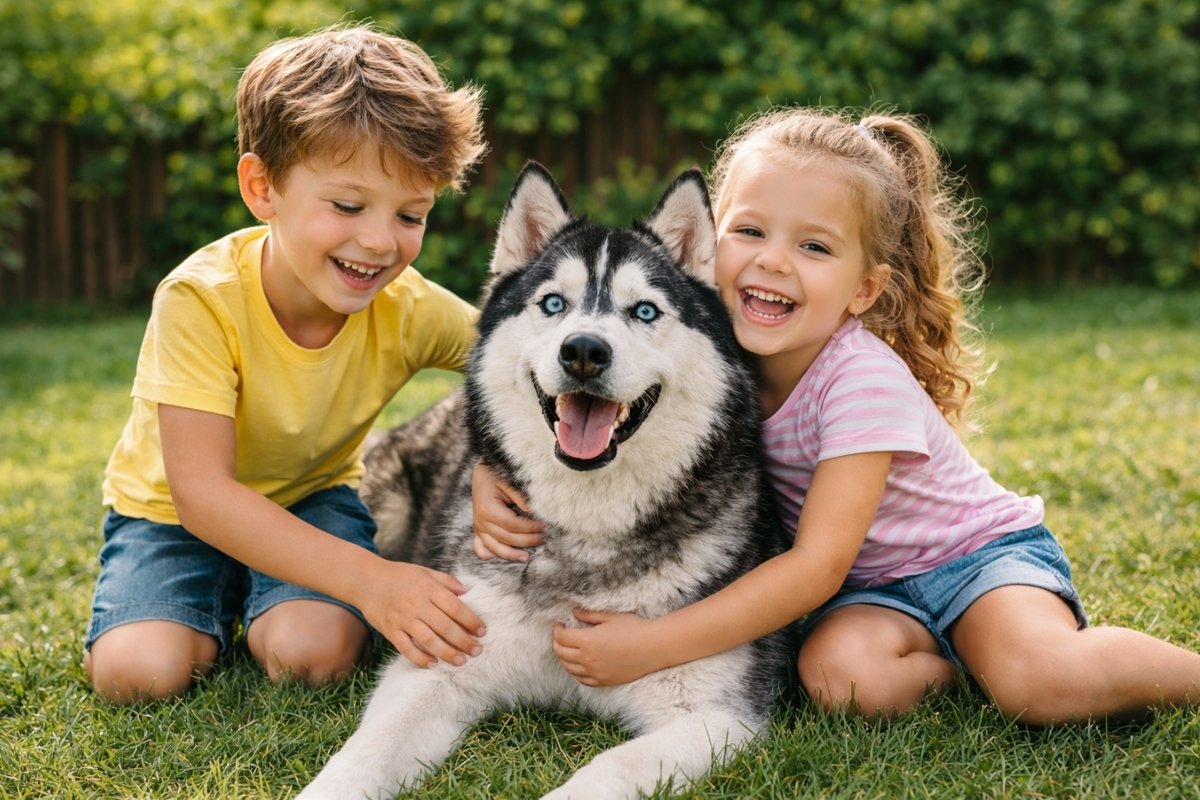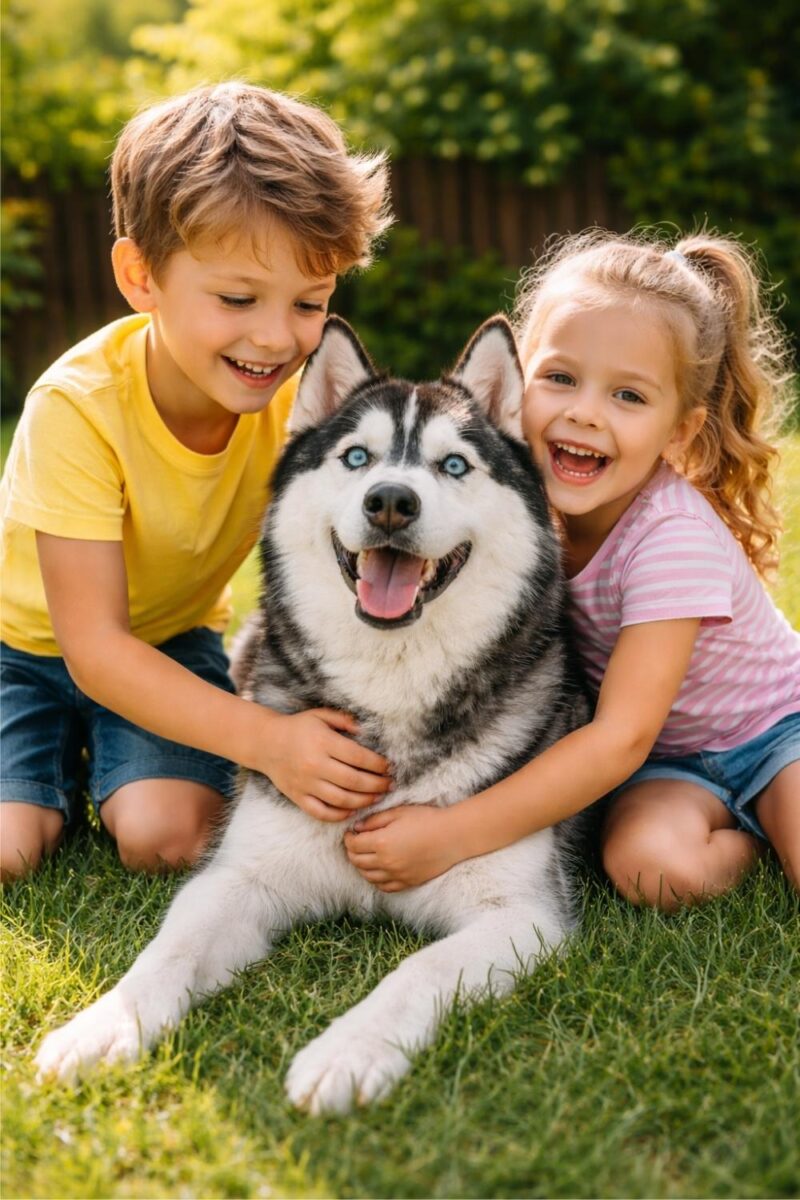
Siberian Huskies are undeniably captivating. With their piercing blue eyes, expressive faces, and wolf-like appearance, it’s easy to understand why so many people fall in love with them at first sight. But behind that stunning exterior is a breed that’s often misunderstood—and underestimated.
Owning a Siberian Husky isn’t just about having a beautiful dog. It’s about committing to a demanding, high-energy lifestyle that can overwhelm unprepared owners. In this article, we’re pulling back the curtain to explore the real challenges of owning a Siberian Husky—the things people don’t talk about until it’s too late.

Endless Energy: Why Siberian Huskies Need Constant Exercise
Siberian Huskies are working dogs bred to run for miles in harsh conditions. That drive hasn’t disappeared—it’s alive and well in modern households.
How Much Exercise Does a Siberian Husky Really Need?
A short walk around the block isn’t enough. Huskies require 1–2 hours of intense physical activity every single day, including running, hiking, pulling sports, agility training, or mentally stimulating games.
Without this outlet, they become restless and frustrated.
What Happens When Huskies Don’t Get Enough Exercise?
When a Husky’s energy isn’t burned off, it often turns destructive. Common problems include:
- Chewing furniture and walls
- Digging up yards
- Excessive howling
- Constant pacing
- Escape attempts
This isn’t bad behavior—it’s unmet needs.
Strong-Willed and Stubborn: The Reality of Husky Training
Huskies are intelligent dogs, but they aren’t eager-to-please like Labradors or Golden Retrievers.
Why Siberian Huskies Are Hard to Train
Huskies think for themselves. They’ll often ignore commands unless they see a benefit. Training feels less like obedience and more like negotiation.
Consistent, reward-based training is essential—but patience is non-negotiable.
Boundary Testing Is a Way of Life
Huskies constantly test limits. If a gate is loose, they’ll find it. If a rule is inconsistent, they’ll exploit it. Without firm boundaries, they’ll take control of the household fast.
Escape Artists by Nature: Why Huskies Love to Run Away
One of the most talked-about Siberian Husky challenges is their tendency to escape.
Why Siberian Huskies Are Natural Roamers
Bred to travel long distances, Huskies have an instinctive urge to explore. Digging under fences, climbing over barriers, and squeezing through small gaps comes naturally to them.
The Dangers of a Loose Husky
Escaped Huskies are at serious risk. They may:
- Run into traffic
- Get lost miles from home
- Encounter wildlife or aggressive animals
Secure fencing, supervision, microchipping, and GPS collars are essential for Husky owners.
Excessive Shedding: Living With a Siberian Husky Coat
If you’re considering owning a Siberian Husky, be prepared for fur—everywhere.
How Much Do Siberian Huskies Shed?
Huskies shed year-round and “blow their coat” twice a year, releasing massive amounts of fur over several weeks. Regular brushing 3–4 times per week (daily during coat blow season) is necessary.
Grooming Is Time-Consuming but Essential
Their thick double coat traps dirt and debris. Proper grooming prevents matting, skin issues, and odors. Skipping grooming quickly leads to health problems and an unmanageable mess.
Why Siberian Huskies Aren’t Ideal for First-Time Dog Owners
Huskies are often chosen for their looks—not their lifestyle requirements.
A Complex Temperament That Requires Experience
Siberian Huskies are independent, mischievous, and stubborn. First-time dog owners often struggle with consistency, training confidence, and leadership.
High Maintenance in Every Way
From exercise to training to containment, Huskies demand structure and routine. Without it, behavioral issues escalate quickly.
Loud and Vocal: Living With a “Talkative” Dog
Silence is not part of the Siberian Husky experience.
Why Huskies Howl So Much
Huskies communicate through howling, whining, and dramatic vocalizations. While entertaining at first, constant noise can become overwhelming—especially in apartments.
Managing Noise Complaints
Excessive howling often stems from boredom. Mental and physical stimulation, training a “quiet” command, and environmental enrichment help—but complete silence should never be expected.
Prey Drive and Compatibility With Other Pets
Another often-overlooked Husky trait is their strong prey drive.
Are Siberian Huskies Safe With Cats and Small Animals?
Cats, rabbits, chickens, and other small pets can trigger a Husky’s instinct to chase. Even well-trained Huskies may act on impulse, making supervision critical.
Challenges in Multi-Dog Households
Huskies are confident and dominant, which can lead to tension with other strong-willed dogs. Proper introductions and structure are essential.
Common Health Problems in Siberian Huskies
Despite their rugged appearance, Huskies are prone to several genetic health issues.
Health Issues to Watch For
- Hip dysplasia
- Cataracts and progressive retinal atrophy (PRA)
- Zinc-responsive dermatosis
- Hypothyroidism
The Cost of Long-Term Husky Care
Vet bills can be significant. Eye surgeries, lifelong medications, specialized diets, and emergency treatments add up quickly. Financial preparedness is a must.
Why Research Matters Before Owning a Siberian Husky
Siberian Huskies are not impulse pets.
Avoiding Decisions Based on Looks Alone
Social media and viral videos rarely show the full reality of Husky ownership. Speaking with breeders, trainers, and experienced owners can prevent future regret.
Is a Siberian Husky Right for Your Lifestyle?
Huskies thrive with active owners who enjoy outdoor adventures and structured routines. Without that match, frustration builds for both dog and owner.
Final Thoughts: Siberian Huskies Are a Lifestyle, Not Just a Pet
Siberian Huskies are beautiful, intelligent, and full of personality—but they’re not easy dogs. They demand time, patience, physical effort, and consistency.
When their needs are met, Huskies are loyal, joyful companions. When they aren’t, life becomes stressful for everyone involved.
Owning a Siberian Husky isn’t about admiration—it’s about preparation. And making an informed decision is the greatest respect you can show this incredible breed.