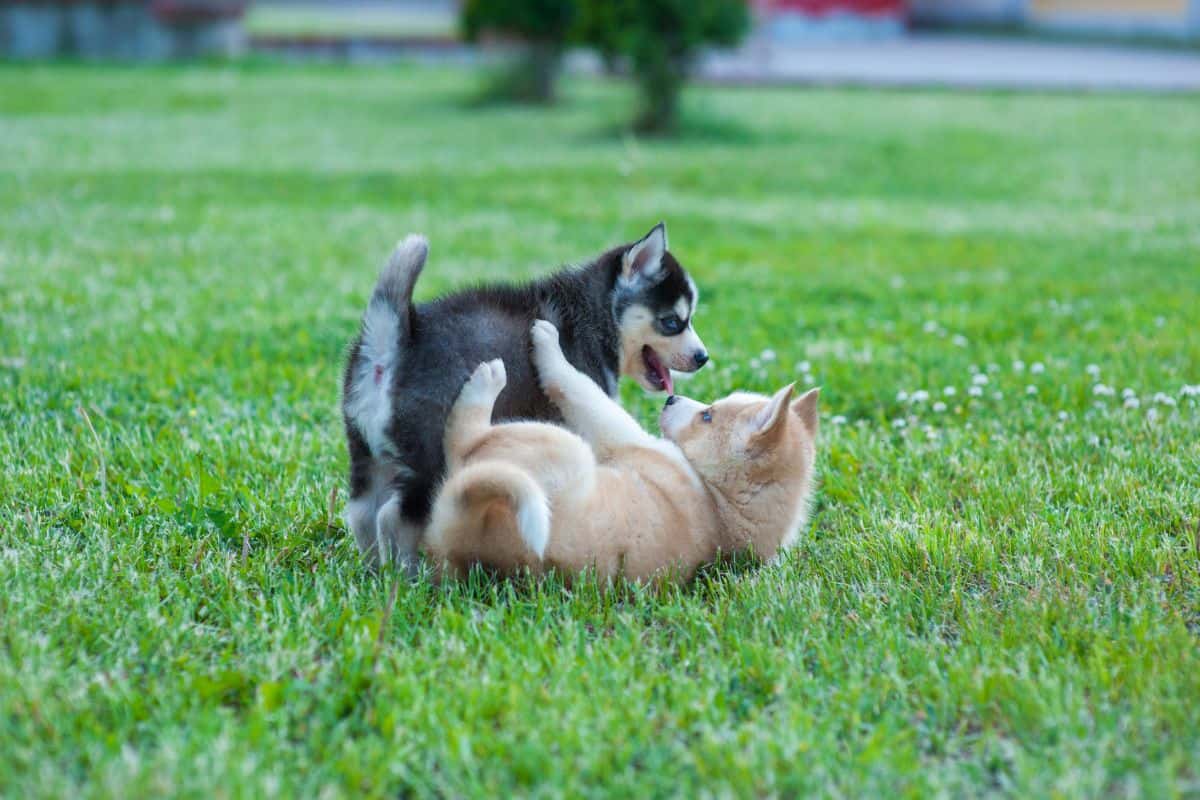
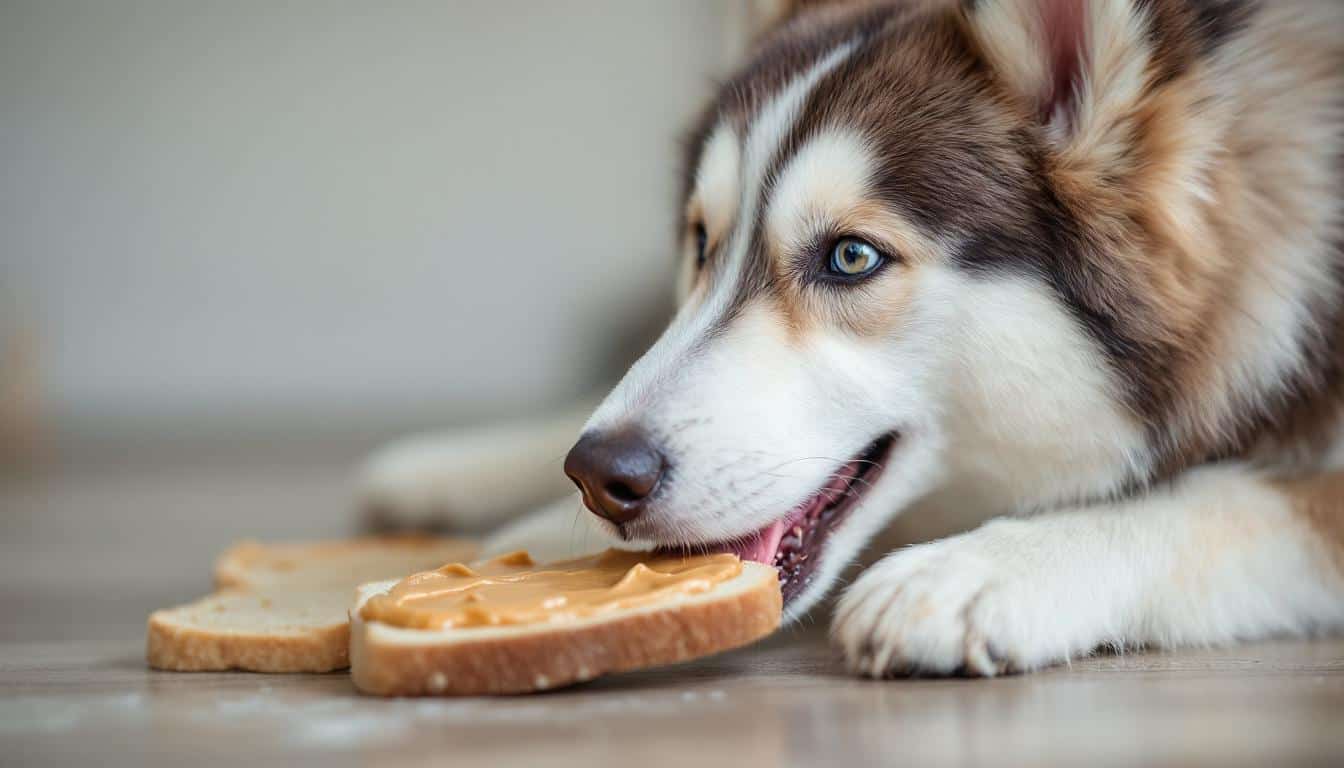
Peanut butter is a pantry staple that often turns our furry friends into instant kitchen beggars. Huskies are no exception to this nutty temptation with their playful and food-motivated personalities. But before we start spreading this creamy treat across their favorite chew toy we need to understand the potential benefits and risks.
Our canine companions have unique dietary needs and not all human foods are safe for them. While peanut butter can be a delicious occasional treat for huskies it’s crucial to know which types are appropriate and how much is too much. From potential allergies to hidden ingredients like xylitol there’s more to consider than just taste when sharing this popular snack with our four-legged friends.
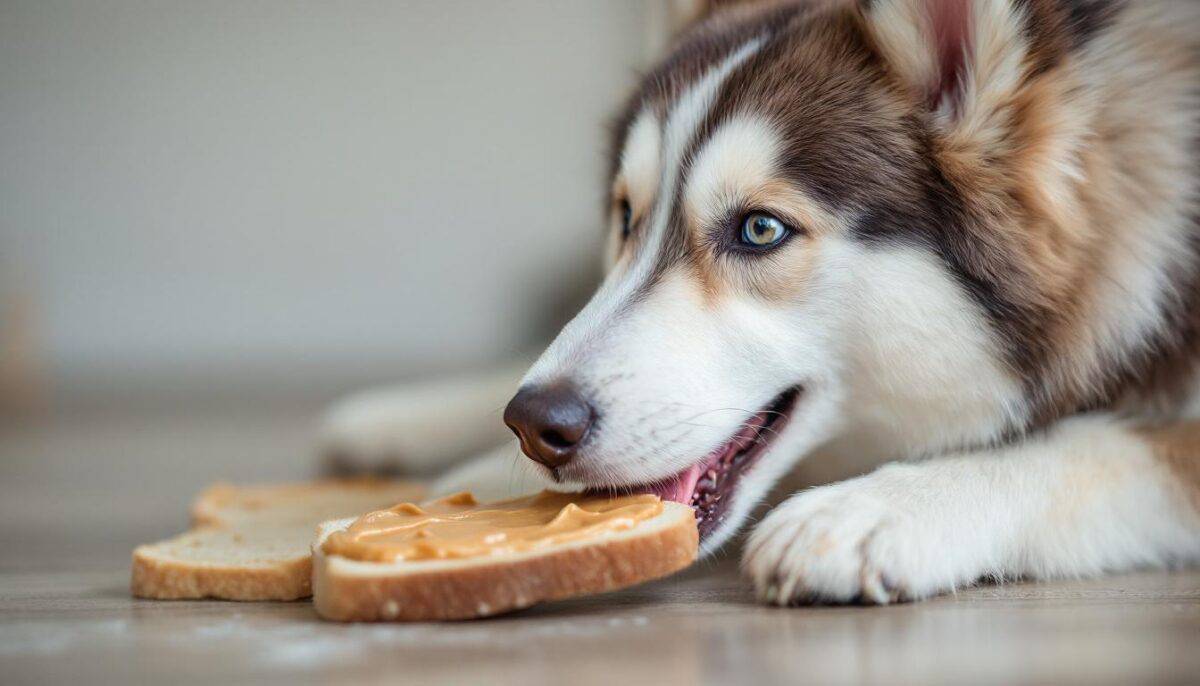
Can Huskies Eat Peanut Butter Safely?
Peanut butter presents a nutritious and enjoyable treat for huskies when selected and administered carefully. Our comprehensive guide explores the essential considerations for safely incorporating this protein-rich food into your husky’s diet.
Understanding Canine Nutritional Needs
Huskies require balanced nutrition with high-protein sources. Peanut butter offers approximately 25% protein content supporting muscle development and metabolic functions. The food delivers essential vitamins like niacin (B3) and biotin (B7) which contribute to metabolic health and skin maintenance.
Potential Health Risks
Xylitol-containing peanut butter poses significant dangers for huskies. This artificial sweetener triggers rapid insulin release potentially causing hypoglycemia and liver failure. High sodium content and excessive sugar in commercial peanut butter brands can lead to obesity and cardiovascular complications. We recommend selecting plain unsalted varieties to minimize potential health risks.
Safe Consumption Guidelines
- Verify ingredient labels for xylitol presence
- Choose unsalted plain peanut butter
- Limit serving sizes to 1-2 tablespoons weekly
- Monitor husky’s weight and digestive response
- Consult veterinarian before introducing new treats
| Nutrient | Benefit | Percentage/Amount |
|---|---|---|
| Protein | Muscle development | 25% |
| Niacin | Metabolism support | 4-5 mg/tbsp |
| Vitamin E | Antioxidant protection | 2-3 mg/tbsp |
| Healthy Fats | Energy source | 16 g/tbsp |
Nutritional Benefits of Peanut Butter for Huskies
Peanut butter offers a range of nutritional advantages for huskies when consumed in moderation. Let’s explore the specific health benefits that make this treat a valuable addition to their diet.
Protein and Healthy Fat Content
Peanut butter delivers a powerful nutritional punch for huskies. It contains approximately 25% protein, critical for maintaining muscle health, supporting tendon and ligament strength, and promoting overall physical development. The high concentration of polyunsaturated fatty acids supports healthy skin, enhances coat condition, and boosts immune system functionality.
Vitamin and Mineral Advantages
Our research reveals peanut butter’s impressive vitamin profile beneficial for huskies. Vitamin E protects muscle and eye health while regulating fat metabolism. Niacin (Vitamin B3) optimizes brain function and hormone production. Biotin strengthens skin, coat, and nail integrity. Essential minerals like copper, manganese, and selenium further contribute to comprehensive nutritional support, making peanut butter a strategic dietary supplement.
Critical Safety Considerations
Feeding peanut butter to huskies requires careful attention to portion control and ingredient composition. We outline essential safety guidelines to ensure your husky’s health and well-being.
Identifying Toxic Ingredients
Toxic ingredients pose significant risks when selecting peanut butter for huskies. Certain additives can trigger severe health complications, making ingredient scrutiny paramount. Always examine the label for potential harmful substances such as artificial sweeteners, excessive salt, and chemical preservatives that might compromise your dog’s nutritional safety.
Xylitol Danger Warning
Xylitol represents an extreme danger to canine health, causing rapid insulin release and potential hypoglycemia. This sugar substitute can induce liver failure within hours of consumption. Recognizable through ingredient variations like “xylite” or ingredients starting with “xyl-“, this compound demands immediate veterinary intervention if ingested. Check every peanut butter label meticulously to protect your husky from potential toxicity.
Proper Serving Guidelines
Navigating the right approach to serving peanut butter to huskies requires careful consideration of portion sizes and feeding frequency. Our guidelines help husky owners provide this treat safely and responsibly.
Recommended Portion Sizes
Huskies have specific portion requirements based on their size and nutritional needs. For medium to large dogs like huskies:
- 1-2 teaspoons per serving
- Limit to occasional treats
- Maximum of 2 servings weekly
- Avoid daily consumption due to high caloric content
- Treating peanut butter as an occasional reward
- Spacing servings at least 3-4 days apart
- Monitoring the dog’s weight and overall health
- Consulting a veterinarian for personalized feeding advice
Potential Allergic Reactions
Peanut butter allergies in dogs are rare but can occur in huskies. Our research indicates that less than 1% of dogs experience allergic reactions to peanut proteins.
Signs of Nut Allergies
Allergic responses in huskies manifest through multiple systemic symptoms. Key indicators include:
- Skin Reactions: Visible signs such as intense itching, red patches, hives, sudden bald spots, and localized skin rashes concentrated around facial regions, ears, paws, or belly areas.
- Digestive Disruptions: Gastrointestinal symptoms featuring vomiting, persistent diarrhea, excessive gas production, and noticeable changes in stool consistency or color.
- Respiratory Distress: Respiratory complications including coughing, wheezing, unexpected sneezing, or labored breathing potentially caused by throat or airway inflammation.
Individual Dog Sensitivity
Each husky presents unique physiological responses to peanut proteins. Factors influencing allergic potential include:
- Genetic Predisposition: Inherited immune system characteristics determining allergic sensitivity.
- Previous Exposure: Prior interactions with peanut products affecting immune system recognition.
- Overall Health: Existing medical conditions potentially increasing allergic reaction likelihood.
- Age and Immune Development: Younger and older dogs may exhibit different allergic response patterns.
Alternatives to Traditional Peanut Butter
Dogs occasionally require alternate treat options that provide similar nutritional benefits to peanut butter. We’ve identified several safe and delicious alternatives that can satisfy your husky’s taste preferences while maintaining dietary health.
Safer Treat Options
Alternative nut butters offer nutritious replacements for traditional peanut butter. Almond butter provides safe consumption for dogs with moderate fat content. Low-fat options include:
- Sunflower seed butter
- Cashew butter
- Unsweetened yogurt-based spreads
- Pureed pumpkin
- Plain Greek yogurt
Homemade Dog-Friendly Spreads
Creating homemade spreads allows complete control over ingredients and nutritional content. We recommend using natural ingredients like:
- Unsalted roasted nuts
- Extra virgin coconut oil
- Mashed bananas
- Pureed vegetables
- Unsweetened applesauce
Our homemade recipes guarantee xylitol-free treats that meet your husky’s dietary requirements while providing essential nutrients.
Monitoring Your Husky’s Response
Introducing peanut butter as a treat requires careful observation and a systematic approach. Our goal is to ensure our husky’s safety and enjoyment while minimizing potential health risks.
Introducing Peanut Butter Gradually
We start by offering a tiny amount (1/4 teaspoon) of peanut butter to our husky. Observe immediate reactions such as enthusiasm, hesitation, or potential allergic signs. Spread the initial introduction across multiple days, allowing time to assess our dog’s tolerance and palatability. Check for any signs of discomfort or unusual behavior after consumption.
Observing Digestive Health
Monitor digestive responses meticulously after peanut butter consumption. Watch for signs of gastrointestinal distress including loose stools, vomiting, excessive gas, or changes in appetite. Track bowel movements for 24-48 hours following the treat. Note any persistent digestive changes that might indicate sensitivity or intolerance. Document these observations to discuss with our veterinarian during routine check-ups.
Conclusion
Peanut butter emerges as a nuanced treat for huskies. Our comprehensive analysis reveals that while peanut butter offers nutritional benefits, careful selection and moderate consumption remain paramount. We prioritize our huskies’ health by choosing xylitol-free varieties, monitoring portion sizes, and remaining vigilant about potential allergic reactions.
Key takeaways include:
- Verify ingredient safety before feeding
- Limit peanut butter to occasional treats
- Monitor individual husky’s response
- Consult veterinarians for personalized guidance
Responsible pet ownership demands constant awareness of our husky’s dietary needs. By understanding potential risks and nutritional advantages, we can transform peanut butter from a potential hazard into a safe, enjoyable reward for our furry companions.