

Are Siberian Huskies the Worst Dog Breed for Beginners?

husky lying on a couch

Siberian Huskies are undeniably stunning with their piercing eyes and wolf-like appearance, but are they really the right fit for first-time dog owners? These energetic and independent pups have a reputation for being both lovable and challenging, leaving many of us wondering if they’re more trouble than they’re worth for beginners.

We’ve all dreamed of the perfect dog, but Huskies might not be as picture-perfect as they seem—especially if you’re new to the world of dog ownership. Let’s dig into the truth about this captivating breed and whether they’re a match made in heaven or a recipe for chaos for first-timers.

husky lying on a couch

Understanding The Siberian Husky Breed

Siberian Huskies are undeniably captivating, but there’s much more to them than their icy blue eyes and wolf-like looks. To truly grasp if they’re a fit for beginners, we need to dive into their origins, personality, and physical demands.

Origins And History Of Siberian Huskies

Hailing from Siberia’s icy tundras, these dogs were bred by the Chukchi people for endurance and survival. They pulled sleds across vast, frozen landscapes while staying loyal to their families. Introduced to North America during the Alaska gold rush, they became famous in the 1925 serum run to Nome. Their history reflects resilience, adaptability, and hard work.

Key Personality Traits Of Siberian Huskies

Huskies are spirited, intelligent, and incredibly affectionate. They’re known for their wanderlust and knack for escaping fenced yards, often leaving owners frustrated. Friendly toward everyone, including strangers, they lack the territorial instincts typically found in guard dogs. Despite their charm, they can be stubborn and independent, craving consistent training and patience.

Physical Characteristics And Exercise Needs

With thick double coats and striking features, Huskies exude beauty. Males weigh 45-60 lbs; females are slightly smaller. They’re high-energy dogs needing at least 1-2 hours of vigorous exercise daily, such as running or hiking. Without enough activity, they can become destructive, often chewing or digging out of boredom.

Challenges Of Owning A Siberian Husky As A Beginner

Siberian Huskies are undeniably captivating, but their beauty hides unique challenges. For first-time dog owners, these traits can be overwhelming. Let’s break down what makes them tricky companions.

High Energy Levels And Exercise Requirements

Huskies are built for endurance. They need at least 1-2 hours of intense physical activity daily, whether it’s running, hiking, or playing fetch. Without enough exercise, they quickly turn to destructive behaviors like chewing furniture or digging holes. For beginners, keeping up with this boundless energy can feel like a full-time job.

Strong-Willed And Independent Nature

Huskies love testing boundaries. Their intelligence, paired with a stubborn streak, means they often question authority and resist commands. Basic training sessions can feel like a battle of wits. For novice owners, consistent and firm training is crucial but often becomes frustrating without prior experience.

Grooming Needs And Shedding

These fluffy dogs shed a lot—especially during seasonal “blowouts” when fur seems to cover every surface. Huskies require regular brushing, sometimes daily, to manage their double coat and reduce shedding. Beginners might be surprised by how much time and effort is needed to keep up with their grooming.

Why Siberian Huskies May Be Difficult For First-Time Dog Owners

Siberian Huskies are undeniably captivating, but their striking looks can overshadow the challenges that come with owning one. For first-time dog owners, these challenges can quickly become overwhelming without the right preparation.

Need For Experienced Dog Training

Huskies are independent thinkers, which makes training them a real test of patience. They can be stubborn and are known to ignore commands if they sense inconsistency or lack of leadership. First-time owners might struggle with their dominant personalities, making obedience training a challenge. Huskies thrive with experienced trainers who use firm yet positive methods, as harsh punishments don’t work with these clever but headstrong dogs.

Tendency For Escape And Exploration

Huskies have a notorious reputation for being escape artists. Their strong prey drive and desire to roam often lead them to scale fences, dig under barriers, or dash through open doors. No backyard ever seems escape-proof for these agile dogs. For beginners, containing a Husky can feel like an endless battle, and chasing after them can become a recurring nightmare. Constant supervision and secure fencing are absolute musts to prevent their adventurous escapades.

Socialization Requirements And Behavioral Challenges

Huskies crave companionship but can develop destructive tendencies if left alone for too long. Without early and consistent socialization, they may exhibit anxiety or even aggressive behaviors around other animals or unfamiliar people. Managing their high energy in social settings can also be tricky for owners unprepared for their excitable nature. We need to focus on frequent interaction and exposure to prevent any behavioral hiccups.

Benefits Of Choosing A Siberian Husky Despite The Challenges

Huskies might seem daunting for first-time owners, but they bring unique qualities that make them remarkable companions. Let’s explore why they’re worth the effort.

Loyalty And Affectionate Companionship

Huskies are deeply loyal and thrive on connection. They form strong bonds with their families, often showcasing their love through playful licks, cuddles, and excited greetings. While their independence might seem challenging, it’s balanced by their immense affection, making them incredibly rewarding pets for those who invest time in their care. Their pack mentality ensures they’re always up for companionship, whether it’s lounging at home or heading out for an adventure.

Intelligence And Training Potential

Huskies are exceptionally intelligent, which opens the door for creative training. They quickly learn commands and tricks when approached with patience and positive reinforcement. While their stubborn streak can be tricky, it also means they love mental challenges like puzzle toys and advanced obedience activities. Their sharp minds make them one of the most engaging breeds to train, and watching them master tasks is pure joy.

Thriving In Active And Outdoorsy Households

Huskies are perfect for people with active lifestyles. They excel in outdoor activities like hiking, running, and even skijoring, bringing an unmatched energy to every adventure. Their love for exercise aligns perfectly with fitness enthusiasts or families who enjoy spending time outside. Beyond their fitness drive, their playful nature and stamina ensure they can keep up with the most active households, cementing their role as the ultimate adventure buddy.

Tips For Beginners Considering A Siberian Husky

Taking on a Siberian Husky as a first-time owner can be exciting but also challenging. Let’s explore ways to set yourself up for success with this energetic and headstrong breed.

Preparing Your Home And Lifestyle

Creating a Husky-friendly environment is crucial. Secure your yard with tall, escape-proof fencing since Huskies are notorious escape artists. Remove dangerous items from their reach as their playful nature can lead to mischief. Adapt your lifestyle to include at least 1-2 hours of daily physical activities, like jogging or hiking, to keep their energy in check. If you’re into outdoor adventures, they’ll thrive in an active home.

Commitment To Daily Training And Socialization

Be ready for a long-term commitment to training. Huskies are intelligent but stubborn, so consistent, positive reinforcement is essential. Start early with basic commands and leash training to manage their independent tendencies. Regular socialization with people and other dogs helps keep them well-adjusted and curbs anxiety. Patience is key here—Huskies aren’t quick to obey but will respond to consistency.

Finding Support From Experienced Owners Or Professionals

Seek advice from experienced Husky owners or join local or online breed-specific groups for guidance. A professional dog trainer can also be invaluable, especially for first-time owners facing challenges with stubbornness or high energy. Many Husky rescue groups or forums offer resources tailored to managing the breed’s unique traits. Building a reliable support network can make the journey far less overwhelming.

Conclusion

Siberian Huskies are undeniably beautiful and captivating, but they come with unique challenges that may not suit every first-time dog owner. Their energy, intelligence, and independence require a level of commitment and patience that some beginners might find overwhelming. However, with the right preparation, dedication, and support, they can become incredibly loyal and loving companions.

Deciding if a Husky is the right fit for your lifestyle is a personal choice. By understanding their needs and embracing their quirks, you’ll be better equipped to create a happy and fulfilling life together.
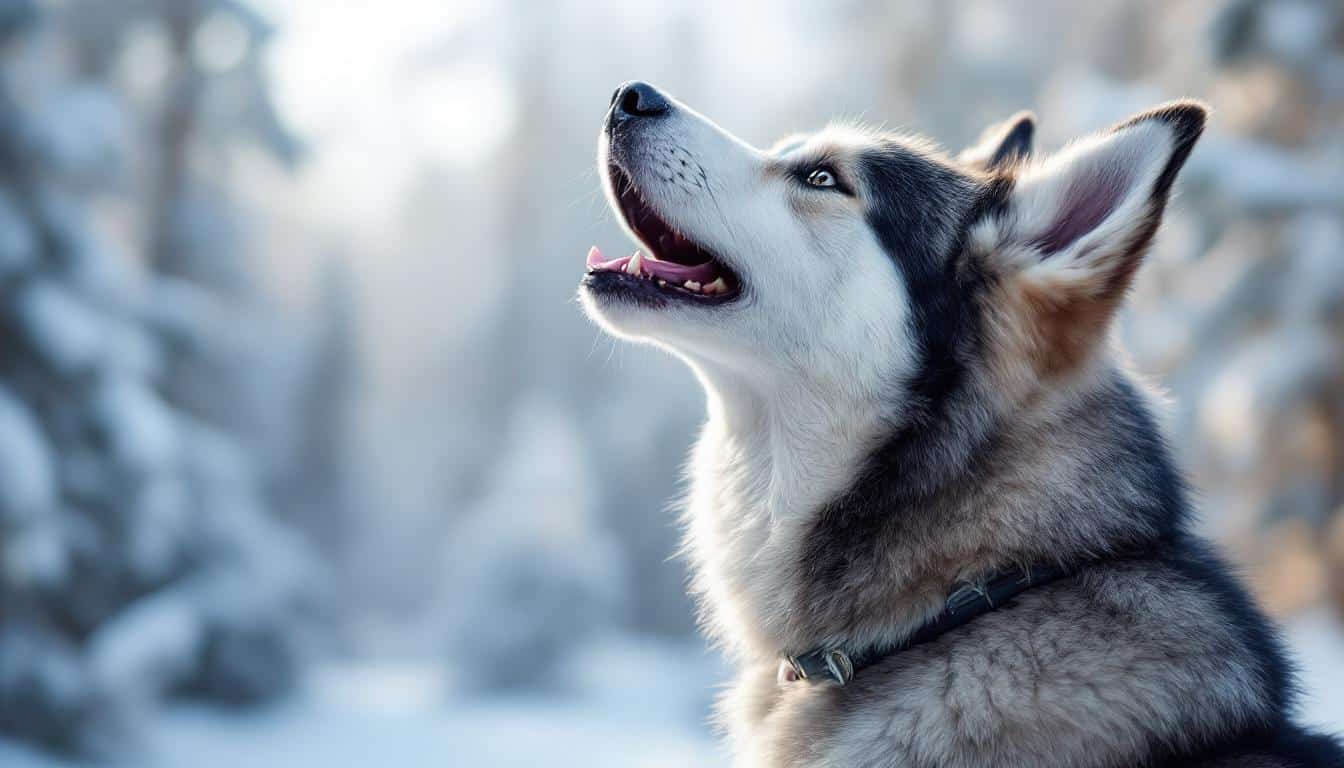
The Secret Reason Why Siberian Huskies Howl – It’s Not What You Think

Husky Howl

There’s something almost otherworldly about the way Siberian Huskies howl. It’s not just noise—it’s a sound that seems to echo through time, stirring something deep within us. But have we ever stopped to wonder why they do it? It’s easy to assume it’s just instinct, but the real reason might surprise you.

Huskies aren’t like other dogs, and their howls carry a meaning far beyond what we might expect. There’s a hidden connection, a secret rooted in their history and behavior, that explains this hauntingly beautiful trait. Let’s uncover the truth behind their mysterious melodies—it’s not what you think.

Husky Howl

Exploring The Unique Vocal Traits Of Siberian Huskies

Siberian Huskies are known for their extraordinary vocal range, almost like they’re part of some secret choir. They don’t just bark; they howl, yip, whine, and even “talk” in tones that can feel oddly conversational. It’s like they’ve mastered an intricate vocal language unique to their breed.

Their howling is believed to trace back to their wolf ancestry. While most dogs rely on barking to communicate, Huskies use howls to mimic the long-distance communication wolves once needed in the wild—a trait that’s both fascinating and practical.

What’s truly unique is how Huskies adapt their vocalizations for attention. Have you ever heard them “woo” when they’re excited or trying to express themselves? It’s their way of connecting with us, often mirroring human-like emotion through sound.

Interestingly, Huskies howl at triggers like sirens or music. Some researchers suggest they respond to specific frequencies as if drawn to harmony. This behavior highlights their heightened auditory sensitivity and instinct to join communal sounds.

We can’t talk about their vocal traits without mentioning the drama. Huskies love to exaggerate! Whether “arguing” with us or “protesting” a bath, their howling becomes a full-blown performance, cementing their reputation as a chatty, theatrical breed.

Understanding The Evolutionary Roots Of Howling In Huskies

Siberian Huskies’ howling is more than noise; it’s a window into their ancient legacy. Their haunting cries are steeped in evolutionary traits that link them to their wild ancestors.

Connection To Ancestry And Wolf-Like Behavior

Huskies howl because they’ve inherited this behavior from wolves. Howling was essential for wolves to rally their pack, defend territory, or locate lost members over vast distances in the wild. Even today, when Huskies howl, it’s like they’re tapping into this primal instinct. Their chilling calls carry a sense of wildness that reminds us they’re descendants of a deeply social, survival-driven lineage.

Communication Within The Pack

Huskies use howling to bond with their “pack,” whether it’s fellow dogs or humans. Just like wolves, they howl to strengthen connections or show loyalty. A Husky’s howl can signal its location or act as an emotional response to other voices. Hearing another howl or noise can trigger a chain reaction, creating a harmonized vocal symphony that reinforces their social ties, even if the “pack” is just us calling them home.

Decoding The Secret Reason Why Siberian Huskies Howl It’s Not What You Think

Siberian Huskies’ howls captivate us, but they’re not just auditory theatrics. Behind every haunting sound lies a deeper, more surprising connection to their emotions and environment.

Emotional Expression: Joy, Anxiety, Or Loneliness

Huskies don’t just howl at random—they’re voicing feelings we might overlook. A long, soulful howl can reveal loneliness, especially when they miss their “pack” (us or other pets). Short bursts of howling often signal joy, like welcoming us home. On the flip side, anxious howling arises when they’re stressed or uncomfortable. This vocal transparency makes them remarkably connected to their human companions. By tuning into their howls, we can better understand their emotional world.

Responding To High-Frequency Sounds Around Them

Huskies have an acute sensitivity to high-frequency sounds, and their howls often echo this natural gift. They’re known to respond to triggers like sirens, music, or even distant dog howling as if they’re participating in an invisible dialogue. This instinct harks back to their wolf ancestors who communicated across long distances. Next time a Husky howls at a passing ambulance, it’s not just a quirky reaction—it’s their innate ability to tune into frequencies we barely notice, connecting them to a broader soundscape.

How Environmental Factors Influence Husky Howling Habits

Siberian Huskies don’t howl just because of their instincts; their surroundings play an unexpected role in shaping this behavior. From interactions with living beings to responses to our actions, their howls reveal so much about their environment.

Interactions With Other Pets Or Animals

Huskies often howl when they interact with other pets or animals, mimicking the sounds of nearby dogs, cats, or even distant wildlife. This vocal mimicry reflects their pack-oriented mindset inherited from wolves. For instance, if a neighbor’s dog barks persistently, a Husky may respond with a long, drawn-out howl, joining in what feels like a cross-species conversation. Even small pets like birds or guinea pigs can trigger their unique vocalizations, as these animals pique their natural curiosity.

Response To Human Behavior And Cues

Huskies are surprisingly in tune with our words, tones, and even moods, often howling to mimic or respond to us. Raise your voice, laugh, or sing, and your Husky might eagerly “talk back” with a series of howls. This behavior bonds them to their human “pack” and shows their sensitivity to our energy. For example, when we cheer loudly during a funny video or argue passionately, they may chime in with a dramatic howl, amplifying the moment in their own melodramatic style.

Addressing Misconceptions About Husky Howling

Husky howling often leaves us fascinated, but misconceptions abound about why they vocalize so dramatically. Let’s separate fact from fiction and uncover the truth behind these hauntingly beautiful howls.

Myth: Excessive Howling Equals Bad Behavior

It’s easy to mistake frequent howling for a sign of disobedience, but it’s rarely about being “bad.” Huskies howl as a natural expression tied to their wolf ancestry, not as a rebellious act. Instead of viewing it negatively, we should see it as their way of communicating emotions, whether they’re lonely, excited, or responding to environmental triggers. Teaching them boundaries and offering consistent social interaction can help channel their vocal energy constructively.

Myth: Huskies Howl Out Of Aggression

Some assume a Husky’s loud, intense howling is rooted in aggression, but this couldn’t be further from the truth. Huskies are renowned for their gentle nature and howl primarily to convey messages or feelings—not out of hostility. Whether they’re joining in on a siren or welcoming us home, their howls are rarely confrontational. It’s a vocal celebration of life, not a threat, and understanding this helps us appreciate their unique temperament even more.

Tips To Better Understand And Handle Your Husky’s Howling

A Husky’s howl often feels like a window into their soul, carrying emotions, instincts, and stories. To make life with your melodious companion more harmonious, let’s explore ways to decode and manage this behavior.

Create A Routine To Reduce Anxiety

Establishing a consistent daily routine can work wonders for an anxious Husky. Regular feeding times, walks, and play sessions help them feel secure and reduce the likelihood of stress-induced howling. For example, if your Husky tends to howl when you leave home, a set schedule with a calming ritual—such as leaving a favorite toy or engaging them for a few minutes before departure—provides reassurance. Sticking to predictability lowers anxiety by helping them anticipate your movements, making their world feel more stable.

Train Positive Responses To Manage Excessive Howling

Teaching your Husky to associate calmness with rewards can reshape howling habits. When your Husky howls excessively, wait for a quiet pause, then immediately reward them with treats or affection. For instance, if a siren sets off a dramatic howl, redirect their focus with a command like “Quiet” and reward compliance. Over time, your Husky will connect being calm with gaining rewards, reducing unnecessary howling. Remember, patience and consistency are key when using positive reinforcement to tackle their vocal theatrics.

Conclusion

Siberian Huskies truly have a fascinating way of expressing themselves through their howls. These vocalizations connect them to their ancient roots while strengthening their bond with us as their modern-day pack. By understanding the deeper meaning behind their howling, we can better appreciate their unique personalities and emotional transparency.

Whether they’re responding to sounds, seeking attention, or simply sharing their feelings, Huskies remind us how beautifully complex and connected they are. Embracing their dramatic, chatty nature helps us build a stronger, more harmonious relationship with these incredible companions.