How Long Do Huskies Live?

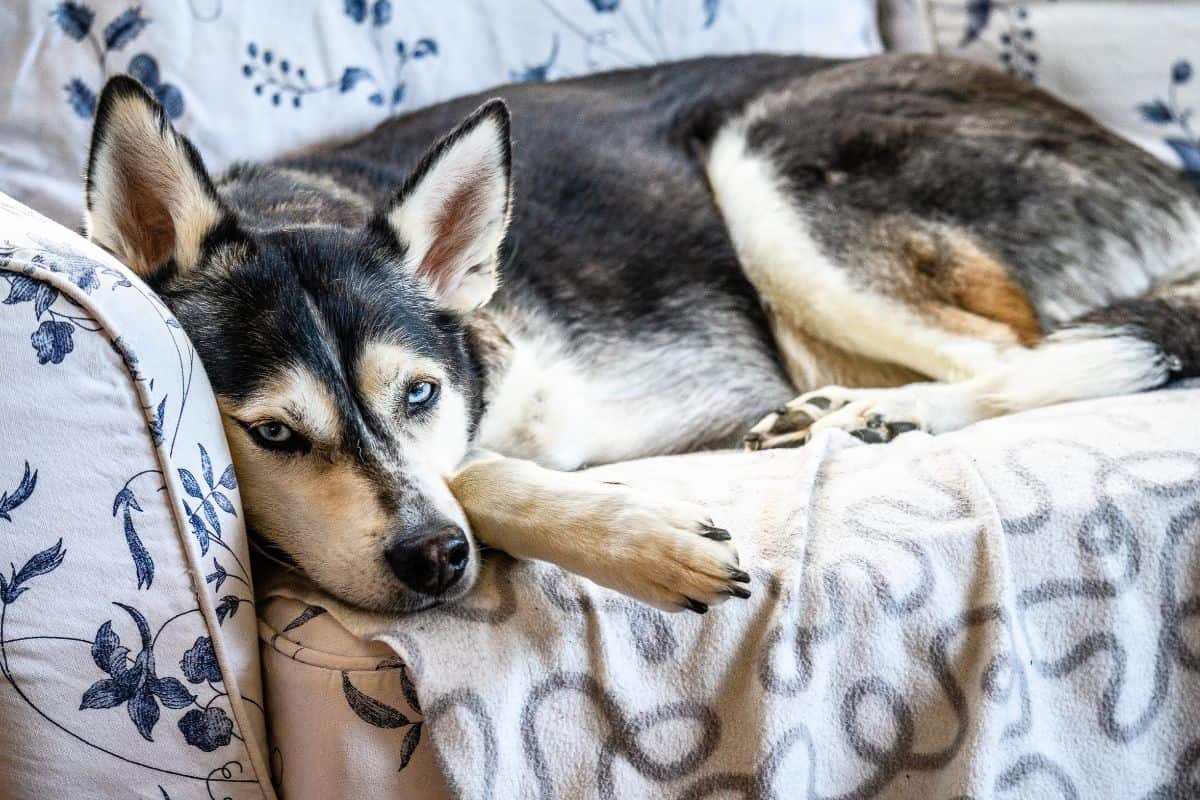
Husky dog relaxing on the couch

Huskies are known for their cold-weather tolerance and lovable personalities. They’re a hardy breed that makes for excellent family companions, but does this translate to a longer lifespan? How long do huskies live?

The average lifespan of huskies is between 12 to 15 years. Every Husky breed is built differently; some don’t reach 12 years, while others may surpass 15 years. The most popular Husky breed, the Siberian Husky, lives for 12-15 years.

In this article, we will discuss the common health problems Huskies face and how long different breeds of Huskies live in more detail.
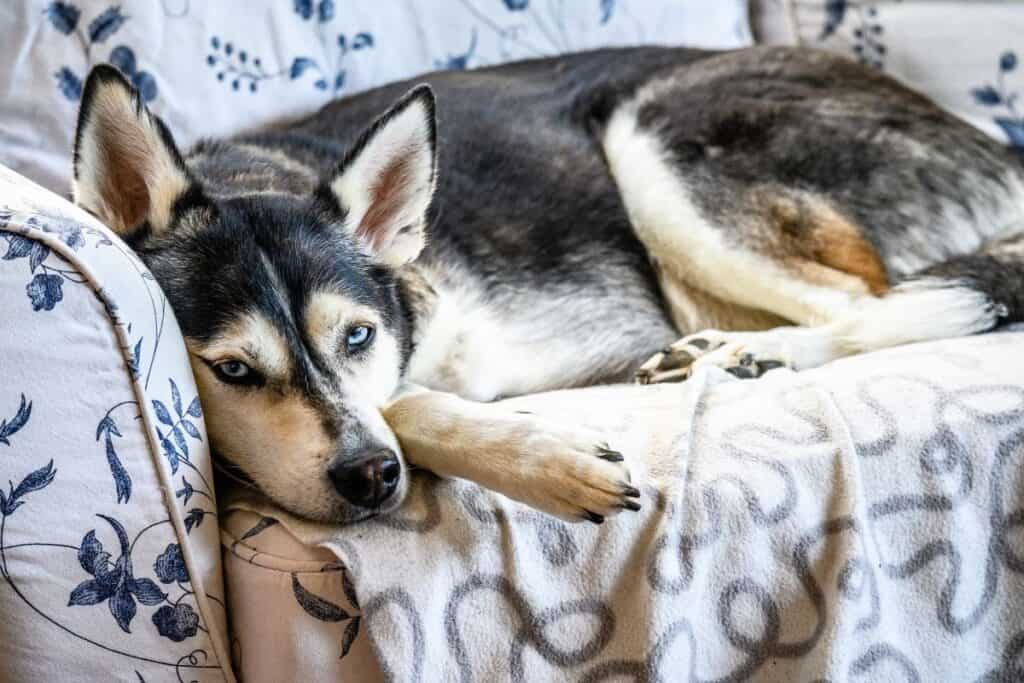
Husky dog relaxing on the couch

3 Common Health Problems Faced by Huskies

Mostly, Huskies suffer from genetic ailments, such as bleeding disorders, visual problems like Cataracts, Epilepsy, and high blood pressure that shortens their lifespan.

Compared to other dog breeds, Huskies are physically stronger but still prone to several diseases. Some of them are:

1. Zinc Responsive Dermatosis

Compared to other dog breeds, Huskies need a higher-than-average amount of Zinc. Therefore, they can suffer from a disease called Zinc Responsive Dermatosis.

Common symptoms of this disease include poor growth, hair loss, thickened foot pads, lethargy, and weeping between the toes.

2. Corneal Dystrophy

Corneal Dystrophy is a hereditary disease in Huskies that mainly affects their cornea. 

The affected huskies have small white dots in their cornea and experience blurred vision. When outdoors, a husky having Corneal Dystrophy might show visual discomfort.

There are different types of treatments, depending upon the severity of the disease.

3. Hypothyroidism

Hypothyroidism is a deficiency of the Thyroid hormone in Huskies that regulates their metabolism. 

Common symptoms include black patches on the skin and hair loss, usually on the dog’s tail, trunk, and back of the rear legs.

How Long Do Different Husky Breeds Live?

Huskies are divided into many breeds. Each of them has a different average lifespan.

To help you get a better overview, here are the different expected lifespans of eight different Husky breeds:

1. Siberian Huskies

The average lifespan of a Siberian Husky is around 12-15 years. However, it is not definite and depends upon various other factors, such as exercise, diet, and health problems. In ideal conditions, some Siberian Huskies can even live up to the ripe age of 16.

Mostly, Siberian Huskies are prone to viral and bacterial infections, such as Rabies, Parvo, and Distemper

To elongate the lifespan of your Siberian Husky, you need to ensure that it’s getting proper exercise, being fed a nutritious diet, and being taken to the veterinarian regularly for checkups and vaccinations. 
Siberian Husky dog outdoors

2. Alaskan Huskies

On average, an Alaskan Husky lives for 12 to 15 years. Alaskan Huskies are particularly healthy and often used for dog sled racing and sprint competition. 

However, many fall victim to complex genetic problems, such as progressive retinal atrophy, blindness, hypothyroidism, and Vocal Cord Paralysis, resulting in breathing problems.

3. Labrador Huskies

Labrador Husky is another dog breed that primarily acts as a sled and companion dog. It has an average life span of 10 to 13 years and mostly lives in North America’s far northern regions. 

Labrador Huskies are generally friendly and intelligent, but they continuously shed and require a lot of exercise and engagement to stay entertained.

Generally, a Labrador Husky is a healthier dog breed but often falls victim to two major diseases; Hip Dysplasia (common in large-sized Labrador Huskies) and Progressive Retinal Atrophy

4. Samoyeds

A Samoyed is another breed of domesticated Huskies that assists with hunting, herding, protection, and sled-pulling. These fluffy clouds/dogs have an average lifespan of 12 to 14 years.

Even in the later years, Samoyeds are known to maintain their playful energy and physical strength. 

However, Samoyeds are not always energetic and can fall victim to many diseases, including Diabetes, Progressive Retinal Atrophy (PRA), and several other genetic health issues.
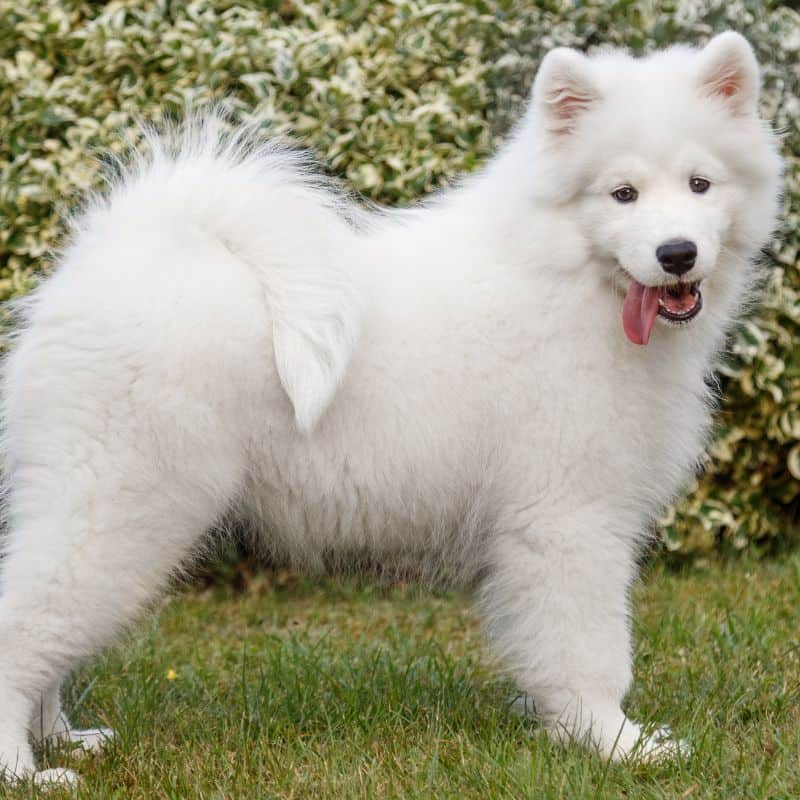
White Samoyed husky puppy outdoors

5. Miniature Huskies

The famous lookalike of the Siberian Husky, the Miniature Husky, is another playful and energetic dog. It can live from 12 to 15 years and requires daily exercise and energy stimulation. 

The most common health problems faced by Miniature Huskies include genetic conditions like Progressive Retinal Atrophy, Glaucoma, Seizures, and Laryngeal Paralysis. Still, fortunately, the breed has a very low risk for Hip Dysplasia.

6. Greenland Dog

Greenland Dogs are another breed of Huskies, mostly kept as sled dogs. These hounds can live up to 12-14 years.

Greenland Dogs are known for their speed, strength, and toughness in drawing sleds, hunting, and racing. 

Although many people are working to preserve the Greenland Dog’s sledding culture, the breed’s population keeps decreasing due to climate change.

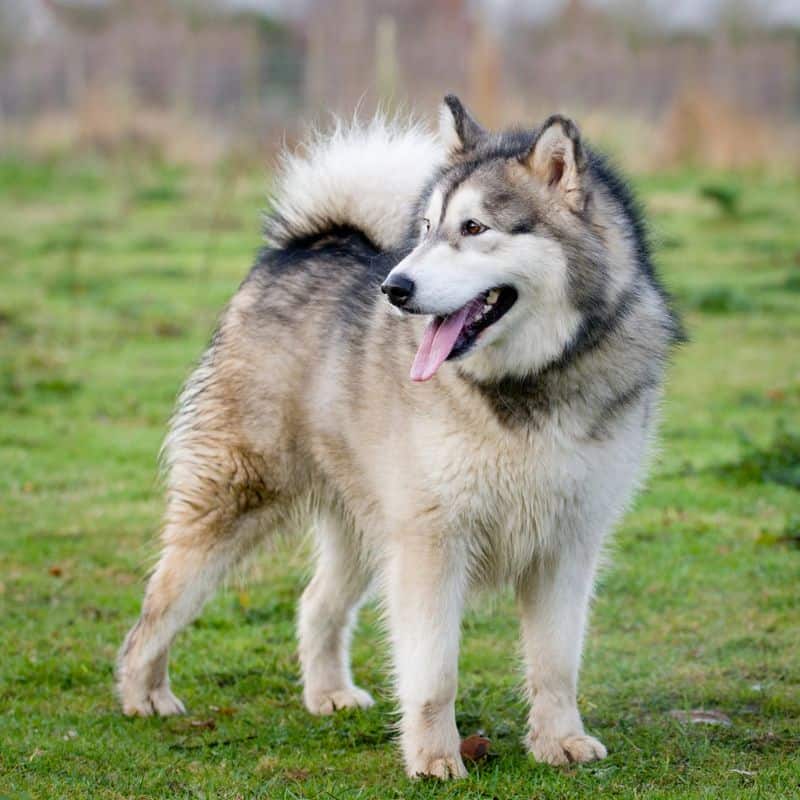
7. Alaskan Malamute

One of the oldest sled dogs, the Alaskan Malamute, has an average lifespan of 10 to 12 years. They are built to work in rough environmental conditions but are also affectionate, friendly companions. 

Occasionally, the Alaskan Malamutes suffer from seizures, gastric torsion, Hemeralopia (impaired vision in bright light), and Polyneuropathy (neurological disorder). 

The primary health issue encountered by this breed is Canine Hip Dysplasia (CHD) which causes weakness and pain in the dog’s rear legs, limiting its activity. 

8. Chinook Dog

The Chinook Dog is one of the rare breeds of Huskies and varies significantly in size. On average, a Chinook lives for 13 to 15 years. 

Chinooks have no breed-specific health problems, but they predominantly suffer from hereditary health problems such as Hip Dysplasia, Epilepsy, and Atopy.

Chinooks were initially bred for sled pulling but are now popular as family pets.

Final Thoughts On The Lifespan Of Huskies

Huskies are generally known for their playful/energetic personality and athletic build.

Different breeds of Huskies have different average lifespans, depending upon their surroundings, diet, and time spent on exercise.

Taking your Husky for regular veterinarian check-ups can increase their health index, thus helping them live longer and healthier lives. 

Vet showing X-ray image to his Husky client

FAQs

Is There A Difference Between The Life Expectancy Of Female And Male Huskies?

Female Huskies tend to live longer than their male counterparts and also tend to be easier to train.

Are Any Husky Breeds Extinct?

A breed that used to be a popular sled dog, the Sakhalin Husky, was unfortunately declared extinct in 2012.

Which Is The Oldest Husky Alive To Date? 

The oldest Husky alive to date is a Siberian Husky in the USA, who recently turned 19 in September 2022. Another contender is LouLou, who was 18 in September 2021.
Are Huskies Aggressive?

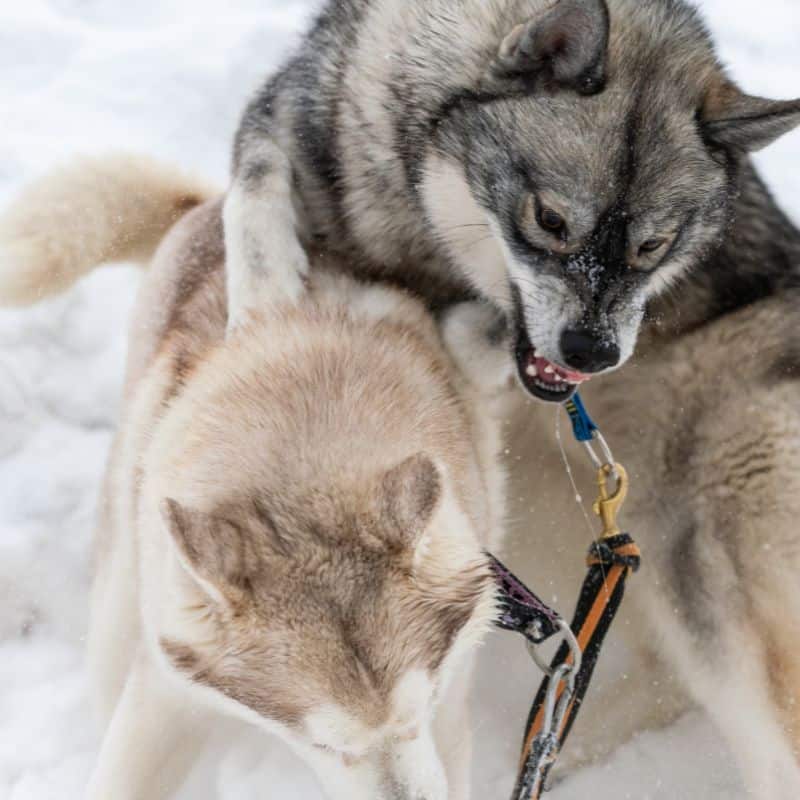
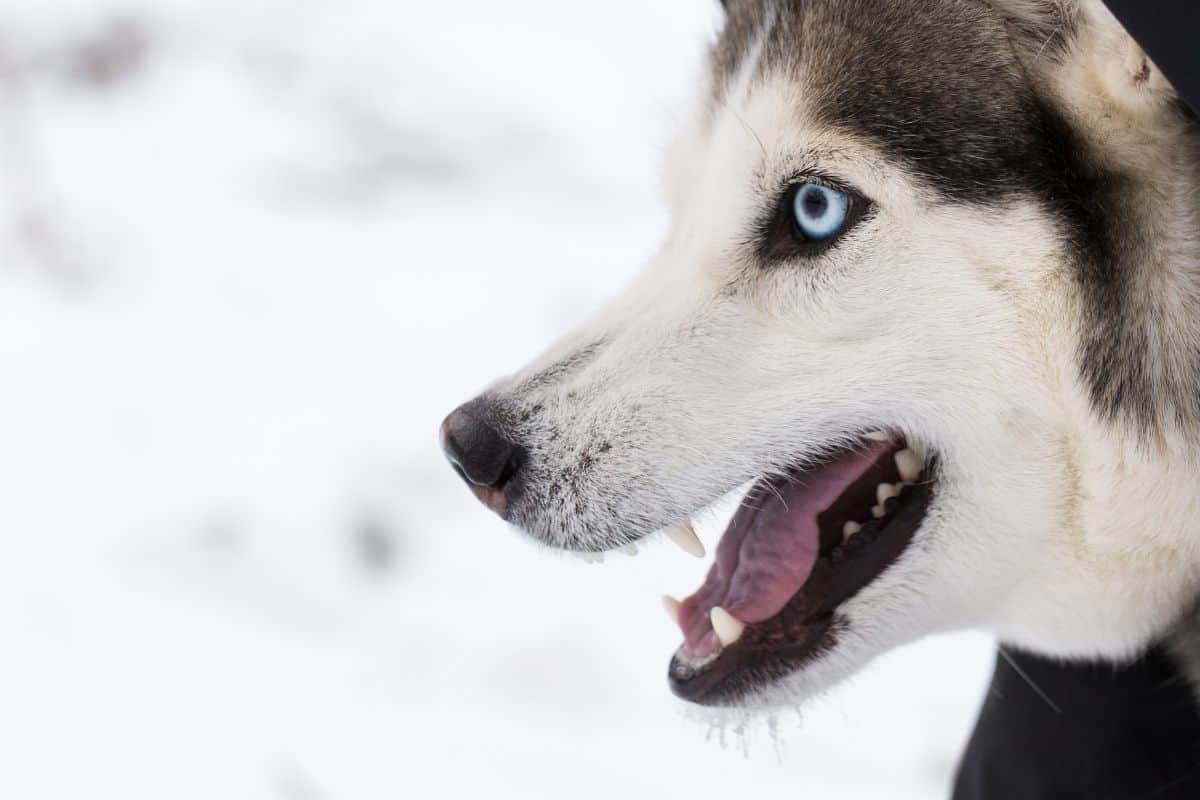
Siberian husky showing aggression from fear

Huskies are a specific kind of dog breed originally bred in the Chukchi Peninsula of Eastern Siberia and have been used as loyal sled dogs for centuries. Due to their appearance, people tend to think they are half-wolf. If they look that similar, are huskies aggressive?

Huskies are not considered aggressive as they weren’t bred to defend property and humans. However, aggressive behavior is possible in huskies, just as in all dogs. They are highly active dogs that need to release their energy and can make a loyal and friendly companion. 

This article will discuss whether or not huskies are an aggressive dog species. So, keep reading! We have everything you need to know about whether or not huskies are aggressive. 

Siberian husky showing aggression from fear

Keeping Huskies As A Pet

Huskies originated in Russia and were eventually taken west to Alaska during the 18th century. They were initially bred to be sled dogs, giving the species a bundle of energy that needs to be released through walks, exercise, and playtime. 

They are extremely intelligent dogs and can effortlessly outsmart people, unaware of this fact. They are prone to being the pack’s alpha, which can also become a problem for owners who are not assertive regarding who’s in charge. 

They have strong predatory instincts, probably carried over from their wolf ancestors. While this means they’ll hunt and attack smaller animals or those that run away, they won’t attack humans. 

They are loyal companions who are very independent and have a mischievous aspect to their personalities. They are friendly towards strangers and are typically outgoing; thus, they are not recommended to be effective guard dogs.

Are Huskies Aggressive?

Huskies are not considered to be an aggressive species of dog because they were not bred to be guard dogs for tribes and homes. They were specifically bred to be used as sled dogs, giving them an energetic and playful personality. 

This means they will not have territorial aggression, dogs’ most common form of aggression.

They will not typically have any predatory or dominant aggression aimed at humans, as they are usually trained well and have a strong bond with their owners and other people. 

A husky may be prone to aggression if stressed out; however, this is a common factor with most canines. It’s good to be aware of this scenario for anyone considering taking home a husky as a pet. 

Husky sled dogs playing in the snow

Do Huskies Bite?

So, while huskies are not considered an aggressive breed, the occasional bite is not uncommon. This is usually caused by people or small children antagonizing the dog and crossing a line, resulting in the dog snapping. 

This will make the huskie feel like it is not being respected, and as they are typically canines with alpha personalities, this will be a warning to back off.

It’s essential to teach young children and unsuspecting adults to be cautious and respectful around all dog breeds, not just huskies.

Generally speaking, huskies are great with kids.

Are Huskies Aggressive Towards Other Dogs?

Huskies may have more of an aggressive factor towards other dogs, as this is generally the case with all breeds. If a husky feels that another dog is invading his territory or personal space, it can be met with dominant aggression. 

As huskies are typically larger than most other canines, they can be dangerous to other dogs. As they have a high prey drive, dogs much smaller than them may be seen as prey if they haven’t been socialized properly.

However, as huskies are amiable dogs who enjoy the company of people and live in packs, they won’t go out of their way to show aggression to other dogs.

Often playfulness in huskies is mistaken for aggression, as they are very loud and make growling sounds as they play.

Are Huskies Aggressive Towards Other Pets?

Huskies are assertive and dominant pets who like to feel like they are the pack’s leader. This means that if they are placed in a scenario where there is another pet in the home, such as a cat, they may not take too kindly to the cat and may see it as a form of prey.

While a husky who’s properly trained and respects its owner is a highly loyal and energetic dog and is not likely to randomly attack other pets in the home, it’s typically advised to keep huskies away from small animals and cats.

In most cases, the best way to handle the scenario is to keep an eye on them when they are around the home. 

Small pets such as rabbits, guinea pigs, hamsters, squirrels, birds, and cats can all be seen as prey in a husky’s eye and your best bet for these animals to survive is to have them grow up with the husky.

Correcting Dominant And Aggressive Behaviour

While huskies are not prone to aggressive or dominant behavior towards their humans. If this does become a problem, it must be corrected immediately.

You must take the alpha position in your relationship with your pup. 

Remain calm but firm in your attitude towards your husky, and correct his behavior each time you believe they are acting out.

If you have a particularly aggressive or reactive dog, you’ll probably want to avoid games like tug of war and wrestling, as this will only intensify their rough actions.

When your husky acts out or becomes dominant and aggressive, whether it’s snapping, snarling, or lugging, there are a few things you should do. 

First, command them to go to lie in their bed or mat. 

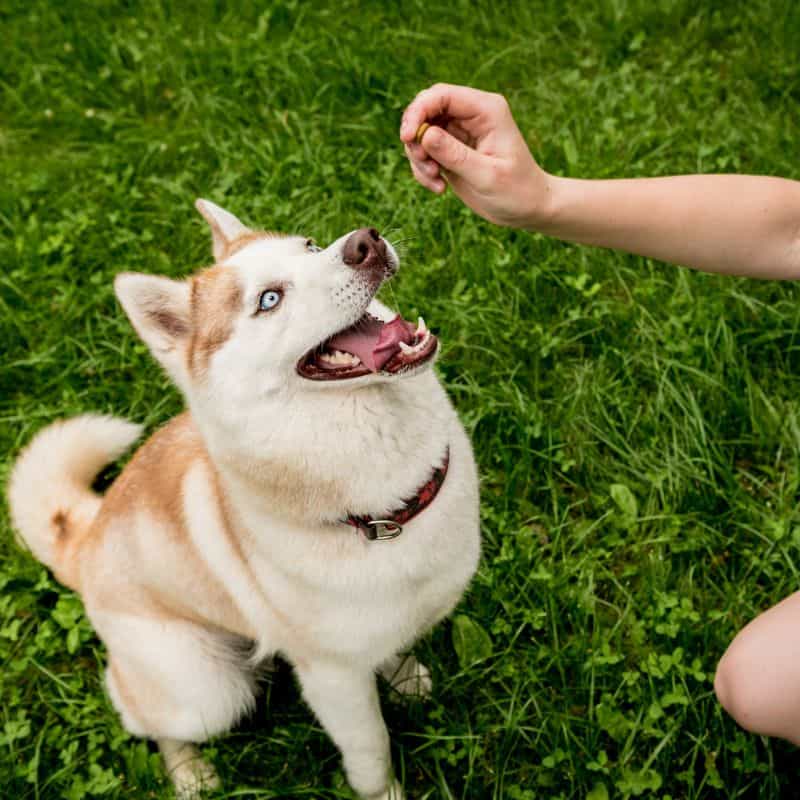
You can also get them to come and sit in front of you and reward them with a treat after a few seconds. 

Husky sitting waiting for a treat

A chew toy is a great idea to redirect his anxiety towards chewing something and train them to look towards you during fearful or tense situations and await instruction. 

In the worst-case scenario, you can always seek professional assistance if the dog has become overly dominant and predatory.

With huskies, a lot of their problems lie in them not getting enough or the right exercise. Try a sport like canicross with your husky to give them something to do and help you bond.

Final Thoughts

Generally speaking, huskies are not considered aggressive dogs towards people, children, or other dogs.

However, they have a high prey drive, and if not appropriately trained and socialized, they may lash out at animals around the home or at other dogs if they feel their territory is being invaded.

Make sure your husky gets plenty of exercise, a great release can be getting a canicross harness and running/jogging regularly with your pup.